

Drug abuse is a chronic disease
characterized by compulsive, or uncontrollable, drug seeking and use despite
harmful consequences and differences in the brain, which can be long-lasting. The path to drug abuse begins with the voluntary act
of taking drugs. But over time, a person's ability to judge not to do so becomes
compound. Seeking and taking the drug becomes passionate. This is usually due
to the effects of long-term drug revelation on brain function. Drug abuse
affects parts of the brain involved in reward and desire, learning and consciousness,
and control over behavior.


The theorem of Effective Treatment
· Drug abuse
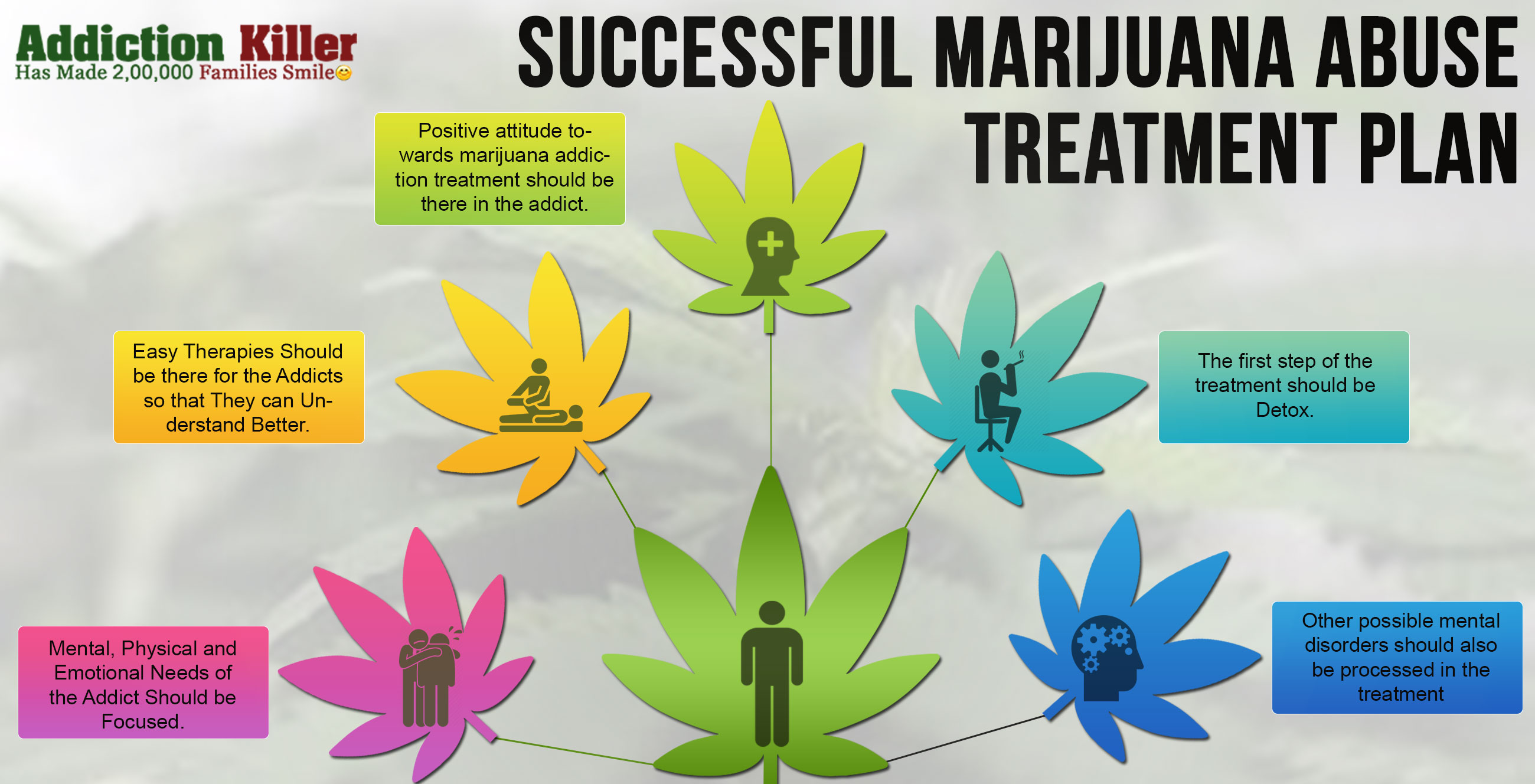
is a complex but treatable disease that affects brain function and behavior & No single analysis is right for everyone.
· The effective analysis
addresses all of the patient’s needs, not just his or her drug use.
· Counselling
and other therapies are the most commonly used forms of treatment and treatment.
· Medications
are often an essential part of treatment, especially when combined with behavioral
therapies.
· Treatment
plans must be reviewed often and modified to able the patient’s changing needs
and every treatment should address other mental disorders.
· Drug use
during analysis or treatment must be monitored regularly.
Treatments
for drug abuse.
There are many options that have been
successful in treating drug abuse, including. behavioral counseling,
medication, Rehabilitation, the long-term follow-up to prevent relapse, medical
devices, and applications used to treat withdrawal symptoms or deliver skills
training. A range of care with a tailored treatment program and follow-up options
can be crucial to success. Treatment should include both medical and mental
health services as needed. Follow-up care may include community- or
family-based recovery support systems.
An unfortunate fact about the analysis of drug abuse is that it remains largely underutilized by most sufferers. Facts about the use of drug abuse treatment include that less than 10% of people with a milder substance-use disorder and less than 40% of those with a more entrenched substance-use disorder seek qualified and experienced help. Those statistics do not seem to be associated with other demographic traits but do seem to be associated with the presence of other mental health problems.
Read More:
- Unleash The Potential Of Substance Abuse Counseling
- Coping With Stress Without Smoking: These tips may help you kick the habit.
- Common Withdrawal Symptoms of Quitting Alcohol


